Sector 02 ยท Water Treatment & Desalination

Water Treatment & Desalination

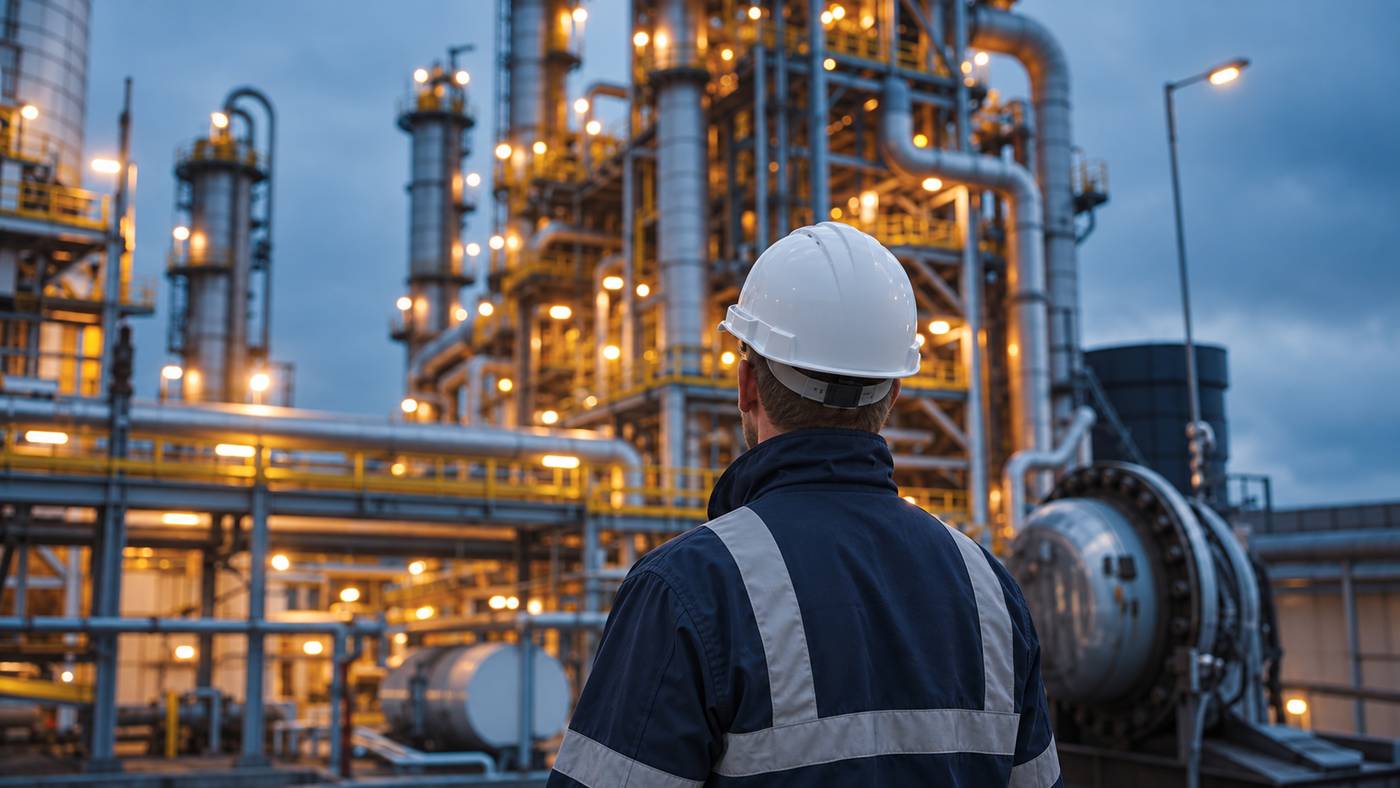
We design water and wastewater treatment around the effluent, not a catalogue. Hydrodynamic cavitation is our core technology for industrial wastewater, refinery effluent and produced water, integrated with advanced oxidation, membranes, reverse osmosis and desalination, from treatability test to a working plant.

Hydrodynamic cavitationIndustrial wastewaterRefinery effluentProduced waterHC + AOPDesalination
HC ยท advanced oxidation with reduced chemical demand

Hydrodynamic cavitation for industrial wastewater

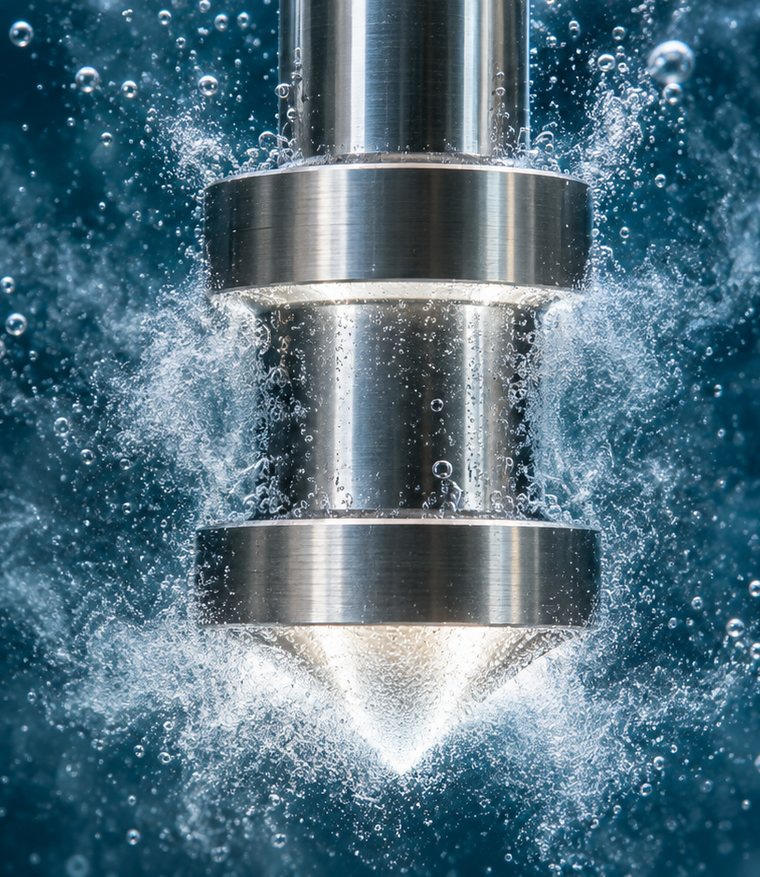
CAC engineers hydrodynamic-cavitation (HC) systems as a compact, low-chemical advanced oxidation step for difficult industrial effluents. Pressurised wastewater is forced through a venturi or multi-hole orifice; the local pressure drops below the vapour pressure, vapour cavities form and then collapse violently as pressure recovers. Each collapse produces micro-jets, shock waves and localised hot-spots that split water into hydroxyl radicals, oxidising refractory organics, breaking oil emulsions and disinfecting, with the feed pump as the main energy input and oxidant dosing only where testing shows it pays back. Performance is effluent-specific: removal rates, pass number and energy demand are established in treatability and pilot testing, and confirmed in engineering, before any design or performance guarantee is issued.

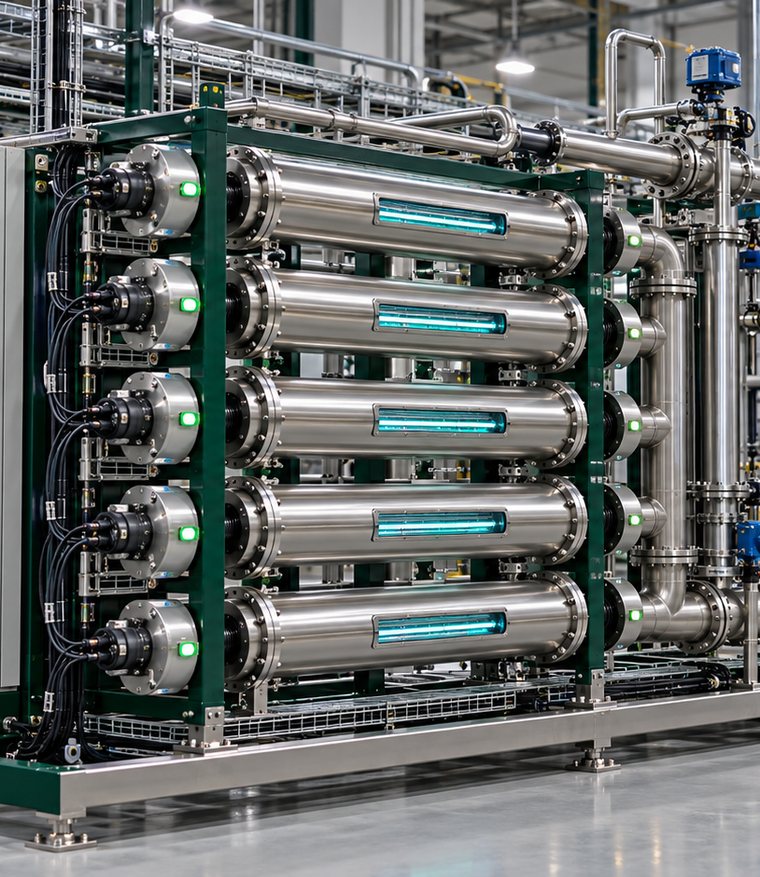
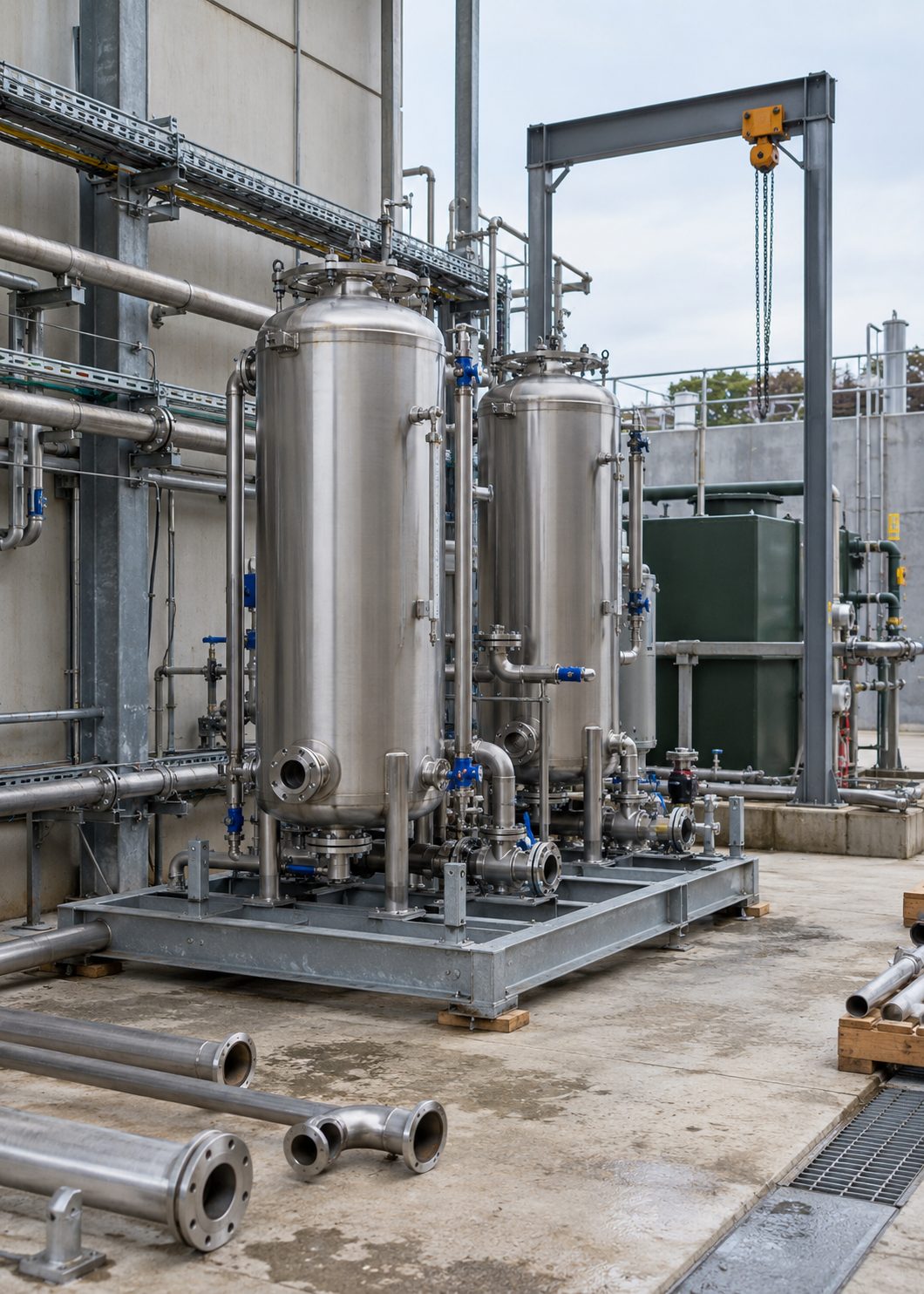
HC-101 ยท reference designSKID ยท 12 mยณ/h
Rotate ยท explore
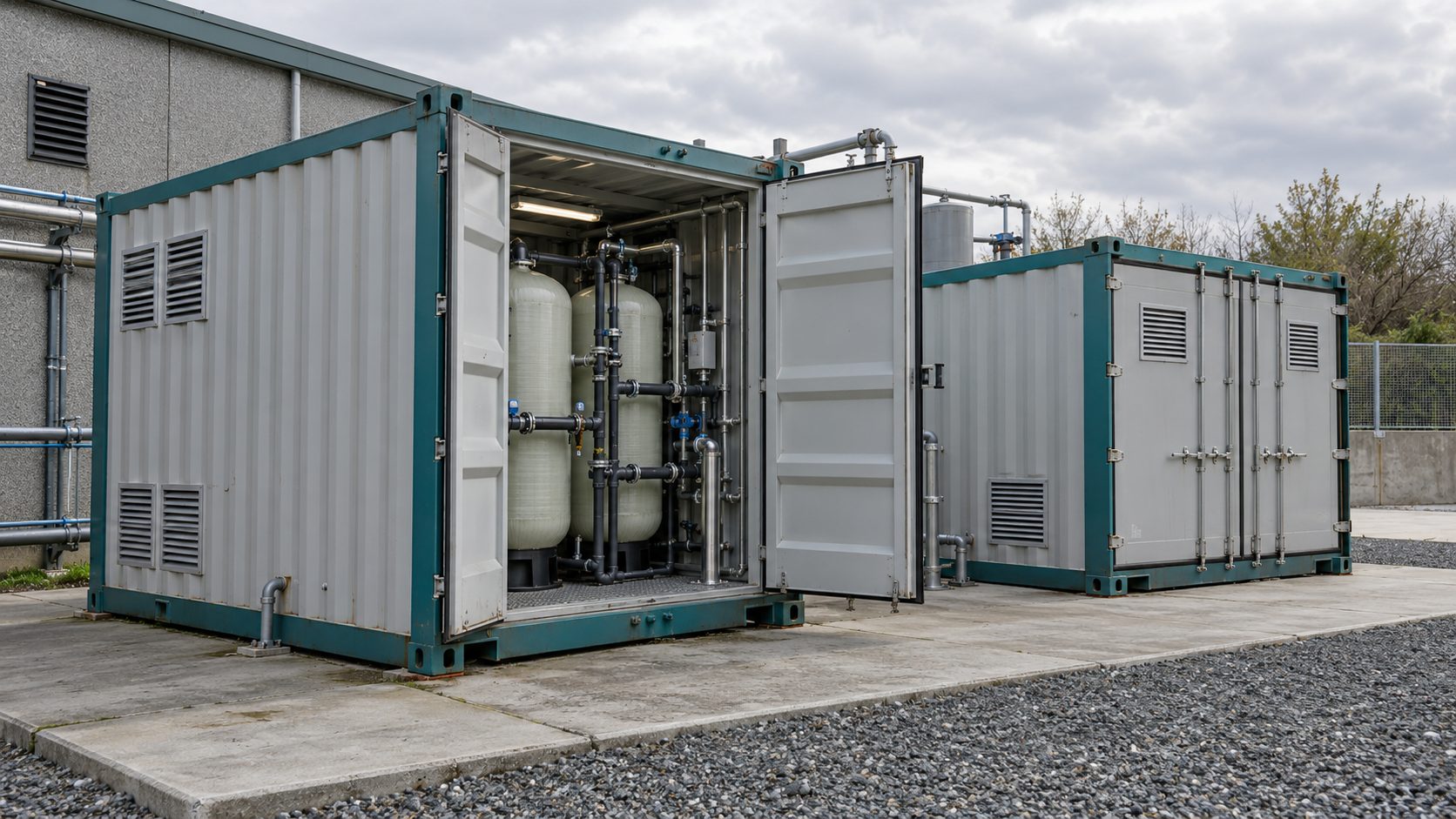
Assembling the skid
What happens to the waterOne cavity's life along the venturi, pressure, growth, collapse and the attack on the contaminant
PยทRยทPhaseยทCycleยท

Typical design envelope

Inlet pressure3โ€“15 barmultistage pump, VFD-controlled
Cavitation numberฯƒ 0.1โ€“1venturi or multi-hole orifice
Throat velocity15โ€“40 m/sset by geometry and ฮ”P
Passes1โ€“10recirculation, sized from pilot kinetics
Capacity per skid1โ€“100 mยณ/hparallel reactors for larger flows
Oxidant couplingoptionalHโ‚‚Oโ‚‚, ozone, Fenton, UV

Indicative ranges, final values are established in treatability and pilot testing for each effluent

Industrial wastewater

Refractory organics, colour, phenols, pesticides and pharmaceutical residues are oxidised by in situ hydroxyl radicals; biodegradability rises so downstream biological treatment performs better at lower load. Applied as pre-treatment, polishing or sludge disintegration in textile, chemical, pharmaceutical and food plants.

  • COD / TOC reduction and BOD/COD ratio improvement
  • Colour and phenol removal, micropollutant degradation
  • Sludge disintegration; disinfection support with reduced biocide demand
Refinery wastewater

Refinery effluent (desalter water, sour water, spent caustic and oily drains) carries phenols, sulphides and stable hydrocarbon emulsions. HC placed ahead of the API / DAF / biological train oxidises phenols and sulphides and breaks emulsions, cutting chemical demand and protecting the biological unit from shock loads.

  • Phenol, sulphide and spent-caustic oxidation
  • Demulsification before API separators and DAF
  • Shock-load buffering and load reduction for the biological treatment unit
Produced water

Produced water combines dispersed and dissolved oil, BTEX, organic acids, high salinity and production chemicals that stabilise emulsions. HC breaks polymer- and surfactant-stabilised emulsions and oxidises dissolved hydrocarbons, helping reinjection, reuse or discharge limits to be met with lower chemical demand and a compact footprint, including on skid-mounted units for field locations.

  • Dispersed and dissolved oil, BTEX and organic-acid reduction
  • Emulsion breaking ahead of hydrocyclones, IGF and membranes
  • Pre-treatment for reinjection, reuse and zero-liquid-discharge
HC + advanced oxidation (AOP)

Collapsing cavities disperse and activate the oxidant while generating radicals of their own, so an AOP paired with HC can become more effective: in treatability tests, HC + Hโ‚‚Oโ‚‚, HC + ozone, HC + Fenton / photo-Fenton and HC + UV have reached higher mineralisation at a reduced stand-alone chemical dose. The gain is effluent-specific; we select the pairing from treatability tests and size the hybrid train on measured kinetics.

  • HCโ€“Hโ‚‚Oโ‚‚ and HCโ€“ozone for refractory organics
  • HCโ€“Fenton at reduced iron and peroxide dose
  • HCโ€“UV and HCโ€“persulphate for micropollutants
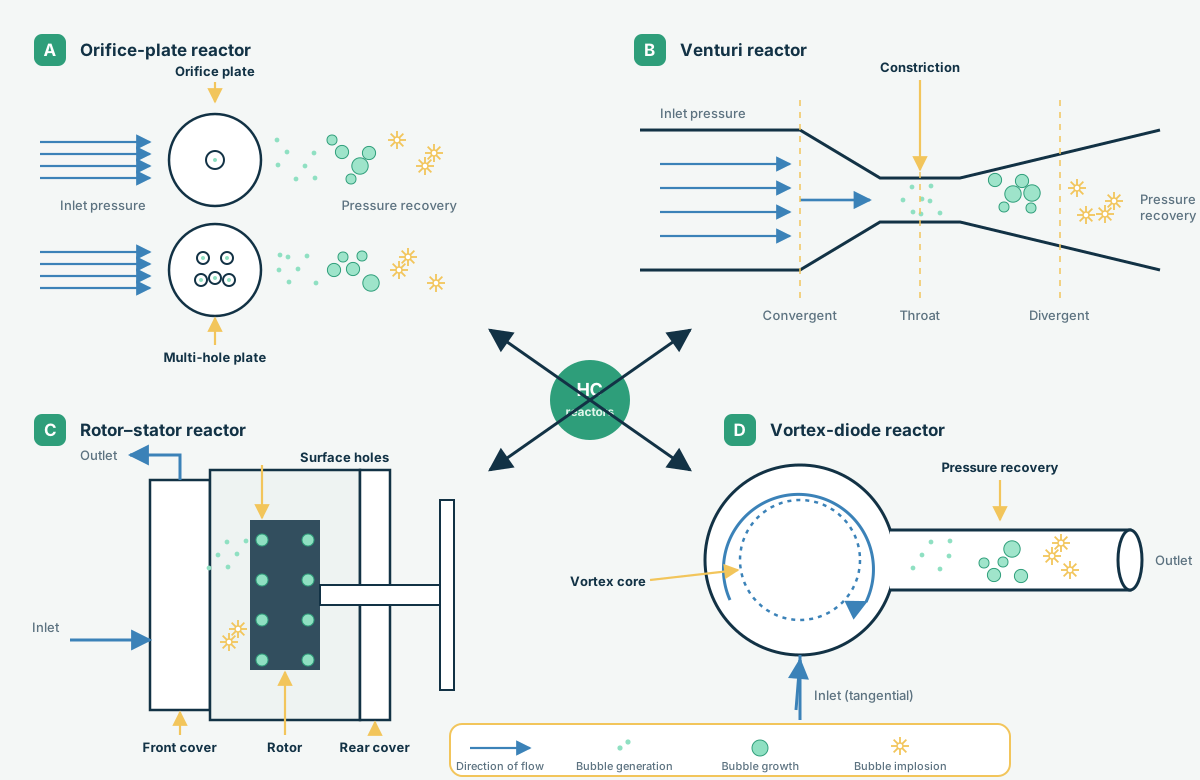
Four types of hydrodynamic cavitation reactor: orifice plate, venturi, rotor-stator and vortex diode
HC reactor typesOrifice plates, venturi, rotorโ€“stator and vortex-diode devices. CAC selects the geometry for each effluent on treatability data: venturi and orifice for pressure-driven skids, rotorโ€“stator where viscous or solids-laden streams need shear, vortex diodes where a device with no moving parts and low erosion exposure suits abrasive or remote duties.

How the process works

  1. PressuriseA multistage pump raises the effluent to 3โ€“15 bar; a recirculation loop allows several passes.
  2. CavitateIn the venturi throat velocity rises and pressure falls below the vapour pressure: the cavitation number ฯƒ drops to roughly 0.1โ€“1 and millions of vapour cavities form.
  3. CollapseAs pressure recovers in the diffuser the cavities implode: micro-jets, shock waves and transient hot-spots generate ยทOH radicals and intense shear.
  4. Oxidise & separateOrganics are oxidised, emulsions and flocs are broken; released gas, free oil and sludge are removed in the degassing and separation stage before polishing.

Why HC, engineered by CAC

  • Low chemical demand, radicals are generated in situ; oxidant dosing is optional and typically reduced
  • Robust hardware, pump, reactor and vessel, with no UV lamps, membranes or catalyst beds in the HC step itself, so fouling and replacement items are limited to standard rotating equipment and instruments
  • Energy you can size, specific energy (kWh/mยณ) is measured in treatability testing and used to size the pump and pass number, so operating cost is known before the plant is built
  • Verified scale-up, reactor geometry, cavitation number and pass number are taken from treatability and pilot data, then scaled to plant units through engineering calculation with design margins agreed with the client
  • Modular delivery, skid-mounted, factory-integrated and tested, then tied into the existing treatment train

What CAC delivers

Treatability & pilot testingReactor geometry & cavitation-number designProcess design & P&IDsPump, valve & instrument specificationSkid detailed engineering & 3DFabrication, FAT & commissioning
Discuss an HC application
Full water-technology portfolio

Every stage of the treatment train, one engineering partner

Hydrodynamic cavitation is our core technology, but no effluent is solved by one unit operation. CAC engineers complete treatment trains, from intake and pre-treatment to advanced oxidation, membranes, desalination, reuse and zero liquid discharge, delivered as engineered, modular, installation-ready systems.

01

Intake & pre-treatment

Conditioning the raw water so every downstream stage performs to design

  • Screening, grit removal and equalisation
  • Coagulation, flocculation and pH correction
  • Chemical dosing and inline mixing
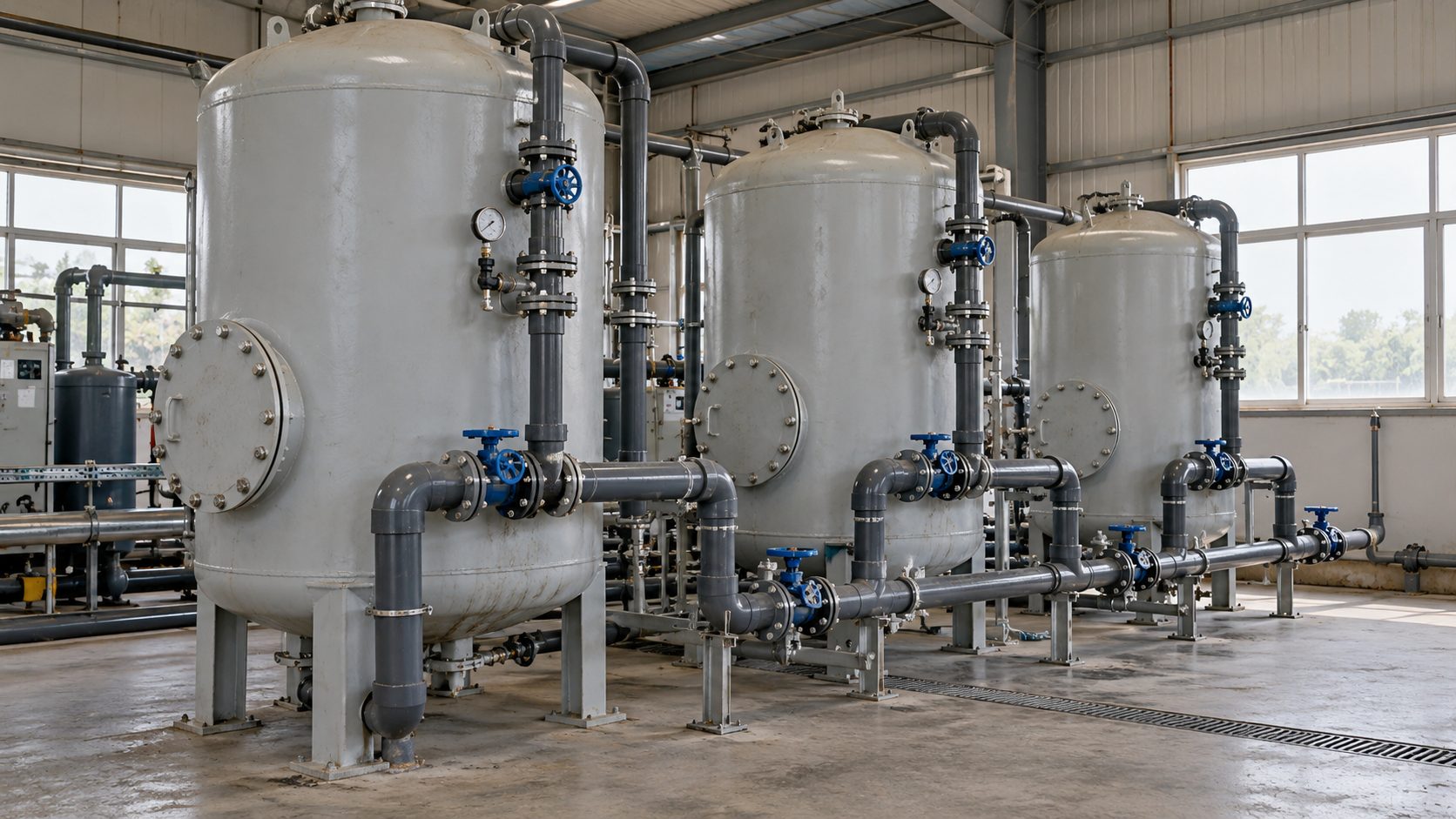
  • Media, multimedia and cartridge filtration
  • Antiscalant and biocide programmes
  • Ultrasonic scale and biofilm control on membranes and heat exchangers
02

Oil & solids removal

Primary separation for oily, produced and industrial waters

  • API and CPI separators
  • Dissolved / induced air flotation (DAF, IGF)
  • Hydrocyclones and nutshell filters
  • Clarifiers, lamella settlers and tube settlers
  • Oil-skimming and sludge draw-off systems
03 ยท Our core

Advanced oxidation

Refractory organics, phenols, sulphides and emulsions that resist conventional treatment

  • Hydrodynamic cavitation (HC): venturi and orifice reactors
  • HC + Hโ‚‚Oโ‚‚, HC + ozone, HC + Fenton / photo-Fenton
  • Ultrasonic cavitation and hybrid HC + US
  • Ozonation and UV / Hโ‚‚Oโ‚‚
  • Fenton and electro-Fenton
  • Electrochemical oxidation
04

Biological treatment

Robust biodegradation of the load that oxidation makes treatable

  • Activated sludge and SBR
  • MBBR and IFAS
  • Membrane bioreactors (MBR)
  • Anaerobic reactors (UASB, EGSB) with biogas recovery
  • Nutrient removal and nitrification / denitrification
05

Membranes & desalination

Polishing, salt removal and high-purity water for process and reuse

  • Ultrafiltration and microfiltration
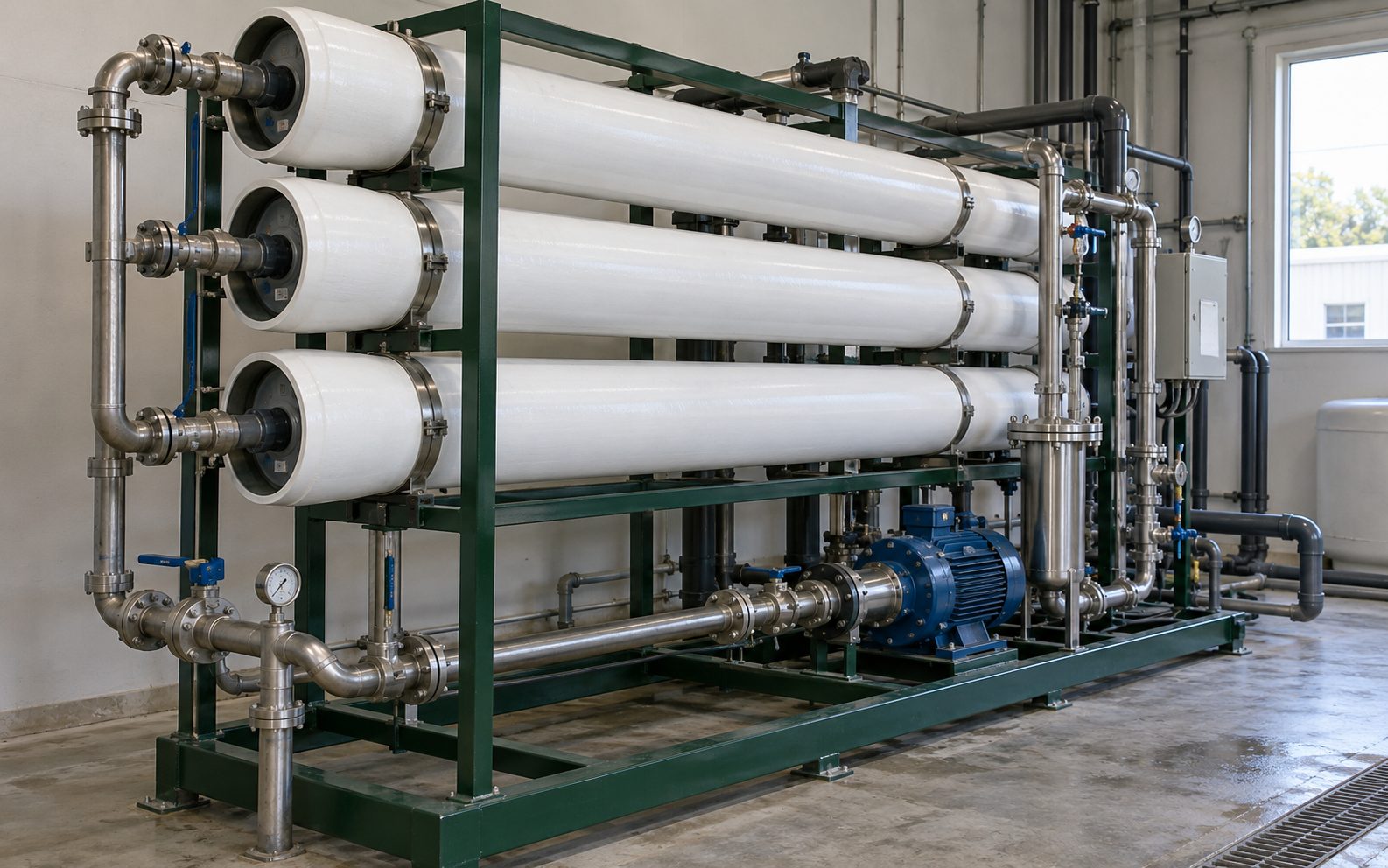
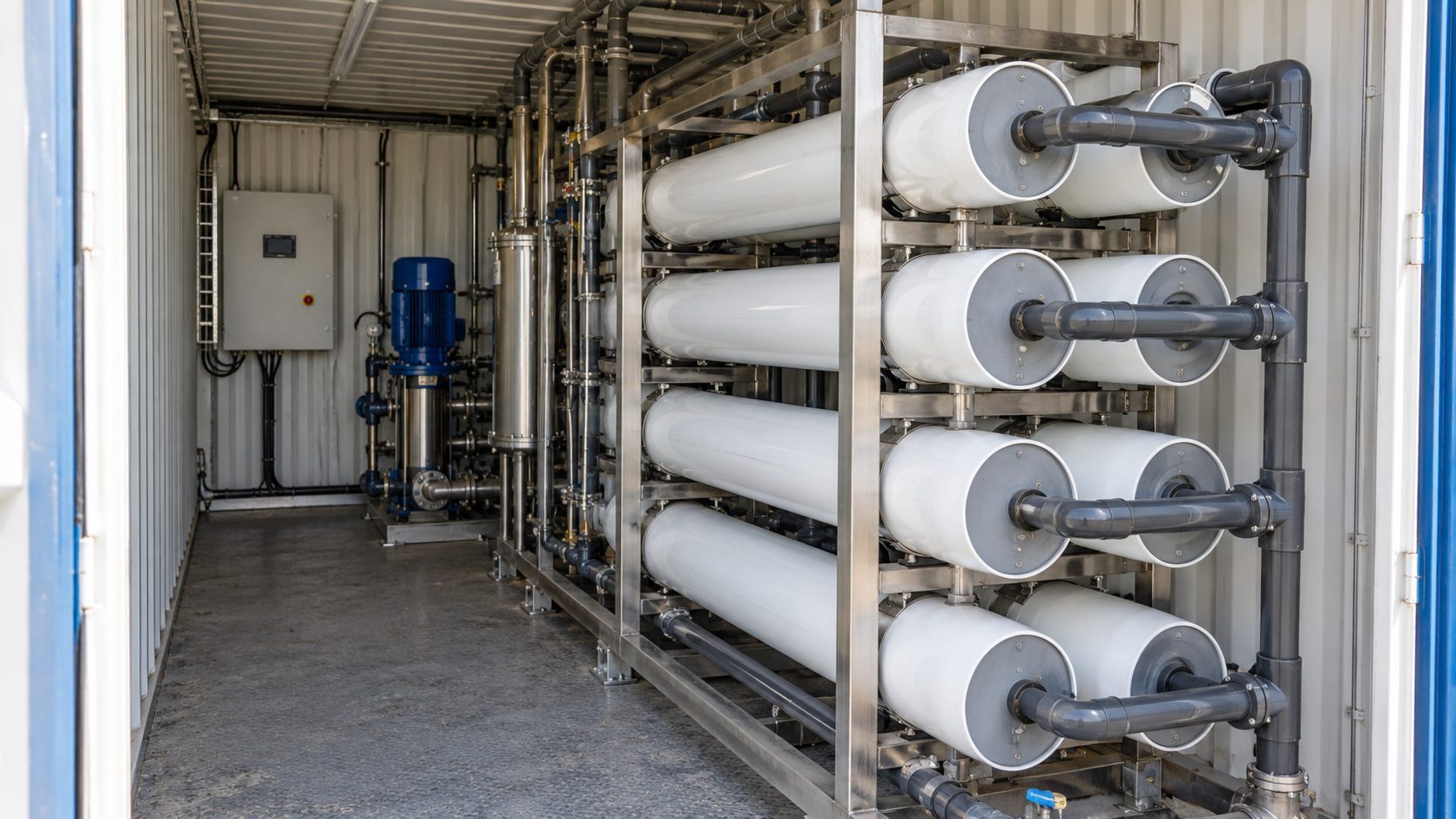
  • Nanofiltration and reverse osmosis (BWRO, SWRO)
  • Seawater desalination with energy recovery
  • Electrodialysis (ED / EDR) and ion exchange
  • Demineralisation and polishing for boilers
06

Reuse, ZLD & sludge

Closing the loop: minimum discharge and responsible residuals

  • Water reuse and recycling schemes
  • Brine concentration, evaporators and crystallisers (MLD / ZLD)
  • Sludge thickening, dewatering and drying
  • Disinfection: UV, chlorination, HC and ultrasonic cavitation
  • Produced-water reinjection conditioning

A typical refinery / produced-water train

Each block is a technology we specify, size and integrate, with HC placed where it protects and relieves the rest of the plant.

Equalisation & pHโ†’API / CPI separatorโ†’Hydrodynamic cavitation+ optional oxidantโ†’DAF / IGFโ†’MBBR / MBRโ†’UF pre-treatmentโ†’Reverse osmosisโ†’Reuse ยท reinjection ยท discharge
Water typeTypical challengeTechnology route CAC applies
Refinery effluentPhenols, sulphides, spent caustic, stable emulsions, shock loadsEqualisation โ†’ API/CPI โ†’ HC (+ Hโ‚‚Oโ‚‚) โ†’ DAF โ†’ MBBR/MBR โ†’ polishing
Produced waterDispersed & dissolved oil, BTEX, high TDS, production chemicalsHydrocyclone / IGF โ†’ HC โ†’ nutshell filter โ†’ UF โ†’ RO or reinjection conditioning
Petrochemical & chemicalRefractory COD, solvents, low BOD/CODHC + ozone / Fenton โ†’ anaerobic + aerobic biology โ†’ MBR โ†’ reuse
Textile, pharmaceutical, foodColour, micropollutants, high organic load, sludgeScreening โ†’ HC + AOP โ†’ SBR / MBBR โ†’ UF โ†’ reuse; HC sludge disintegration
Seawater & brackishSalinity, scaling, biofouling, energyIntake โ†’ DAF/UF โ†’ SWRO/BWRO with energy recovery โ†’ remineralisation
Process & boiler waterHardness, silica, conductivity limitsSoftening โ†’ RO โ†’ EDI / mixed bed โ†’ condensate polishing
Brine & ZLDDischarge limits, high recovery targetsHigh-recovery RO โ†’ evaporator โ†’ crystalliser; salt and water recovery

Cavitation modes we apply

Same physics, bubble growth and collapse, delivered three ways and selected on flow rate, target contaminant and energy budget.

HC

Hydrodynamic cavitation

Our core technology for industrial flows: venturi, orifice and rotor-stator reactors driven by the process pump. Low chemical demand and minimal consumables in the HC step, with energy use measured in testing; scaled from a single skid to multi-train plants with parallel reactors.

Typical dutiesRefinery & petrochemical effluent ยท produced water ยท emulsions ยท sludge disintegration
US

Ultrasonic cavitation

Banks of industrial transducers (20โ€“40 kHz) in flow-through reactors, scaled in parallel modules and built into the plant to protect its most valuable assets: membrane trains, heat exchangers, cooling systems and intakes.

Typical dutiesScale and biofilm control on RO and UF trains ยท cooling-water and heat-exchanger protection ยท intake and process-water disinfection ยท sludge conditioning
HC+US

Hybrid cavitation

Hydrodynamic and ultrasonic cavitation combined in one reactor or in series, with or without an oxidant, for full-scale treatment of the most refractory effluents where a single technology is not enough.

Typical dutiesPharmaceutical and chemical-plant effluents ยท textile dye and colour removal ยท refinery and petrochemical polishing ยท reuse-grade treatment

How we deliver a water project

From the first sample to a commissioned plant, as a study, an engineering package, a skid-mounted system or full EPC support.

01

Evaluate

Water balance, characterisation and technology evaluation, with conventional and advanced options compared on performance and cost.

  • Water balance, characterisation and sampling
  • Conventional vs. advanced technology evaluation
  • Reuse and zero-liquid-discharge feasibility
  • Technology-provider and pilot-test coordination
02

Engineer & integrate

Process design and multidisciplinary engineering of the treatment train, integrating the selected technologies into one system.

  • Process design of the complete treatment train
  • Membrane, RO, oxidation and pre-treatment integration
  • Multidisciplinary detailed engineering and 3D design
  • Specifications and tender packages for equipment
03

Deliver & operate

Modular fabrication, installation and commissioning support, then optimisation and technical support in operation.

  • Skid and module fabrication through our partners
  • Installation, commissioning and performance testing
  • Optimisation and technical support in operation
  • Upgrades as feed, limits or demand change

Designed to international codes; discharge, reuse and reinjection limits verified on measured data.

Have a water challenge or a technology to integrate?

Start with a technology and feasibility assessment: written findings and a recommended route, with no obligation.

Request an assessment
The challenge

What makes these projects hard

Water security is becoming one of the defining challenges for industry and communities worldwide. Every application needs the right combination of conventional and advanced technologies, including hydrodynamic cavitation as a low-chemical advanced oxidation step, selected on evidence and integrated into one engineered system

  1. Variable, difficult feed waters and tightening discharge limits
  2. Choosing between conventional, membrane and advanced-oxidation routes
  3. Reuse and zero-liquid-discharge economics
  4. Municipal and industrial water infrastructure planned separately from the plants it serves
  5. Plants that must be delivered fast, often as modules
How we help

From concept to an executable project

We work with technology developers and specialist equipment manufacturers to identify, engineer and integrate the most appropriate treatment solution for each application, from the treatability test to the commissioned plant and the networks around it

  • Hydrodynamic cavitation (HC) for industrial wastewater, refinery effluent and produced water
  • HC combined with advanced oxidation, Hโ‚‚Oโ‚‚, ozone, Fenton, UV
  • Produced-water treatment and oilโ€“water separation
  • Membrane systems, reverse osmosis and desalination
  • Pre-treatment and polishing systems
  • Water reuse, recycling and zero / minimum liquid discharge
  • Water supply, treatment and network infrastructure, industrial and municipal
  • Modular treatment plants engineered for manufacture
Outputs

Typical deliverables

  • HC treatability and pilot testing
  • Cavitation reactor and process design
  • Treatment-train process design and water balances
  • Detailed engineering and 3D model
  • Skid and module fabrication packages
  • Commissioning and performance support
Disciplines

Related expertise

Hydrodynamic cavitationInstrumentation & controlTreatability & pilot testingMembranes & desalinationModular treatment plants

Every scope is staffed from the same multidisciplinary team, so process, mechanical, piping, electrical, civil and control engineers work from one model and one design basis.

Compliance

Standards and guidelines we work to

EU Industrial Emissions Directive 2010/75/EURefining BAT conclusions ยท BREFEU Urban Waste Water Treatment DirectiveWHO drinking-water guidelinesISO 14046 ยท water footprintASME B31.3 ยท process pipingASME VIII ยท pressure vesselsPED 2014/68/EUIEC 61511 ยท functional safetyIEC 60079 ยท explosive atmospheresEN 12255 ยท wastewater treatment plantsISO 9001 ยท quality management

Discharge, reuse and reinjection limits are verified on measured data, never assumed

Experience

Typical engagements

Representative scopes drawn from the work we take on

Hydrodynamic cavitation

Refinery effluent polishing

Bench treatability on the client's own effluent, followed by a skid-mounted cavitation and oxidation unit ahead of the existing biological plant

OutputTreatability report, reactor design, skid package and commissioning
Oil & gas

Produced-water reuse

Separation, advanced oxidation and membrane polishing to bring produced water to reinjection or reuse quality

OutputWater balance, treatment-train design and technology evaluation
Membranes

Brackish-water desalination

Reverse-osmosis plant with pre-treatment, antiscalant programme and brine management for an industrial site

OutputProcess design, membrane projection, tender package and FAT
Questions

Frequently asked

Can't find your question? Send a short brief and an engineer will reply within one business day.

Ask an engineer
How do you decide which technology to use?

On evidence. We characterise the water, run treatability or pilot tests where needed and compare conventional, membrane and advanced-oxidation routes on performance, energy, chemical use and lifecycle cost before recommending one

When does hydrodynamic cavitation make sense?

Where effluent contains refractory organics, phenols, sulphides or stable emulsions, and a low-chemical oxidation step can reduce the load on downstream biology or membranes. Its performance is effluent-specific, which is why we confirm it by testing before design

Can you test our effluent before we commit?

Yes. A treatability programme on a representative sample is the first step of most water projects. Results define the reactor geometry, number of passes, oxidant demand and the expected removal, and are scaled to plant size through engineering calculation with agreed design margins

Do you deliver complete plants or only designs?

Either. We deliver studies, process and detailed engineering packages, skid-mounted modules fabricated with our partners, or technical support for a larger EPC delivery team

Can the plant be added to our existing treatment train?

Yes. Most of our water work is integration, placing a new step where it protects and relieves what already exists, with tie-ins, hydraulics and controls designed to suit the operating plant

Learn how CAC can help you engineer, build and run your next water, energy or industrial project.

Contact us