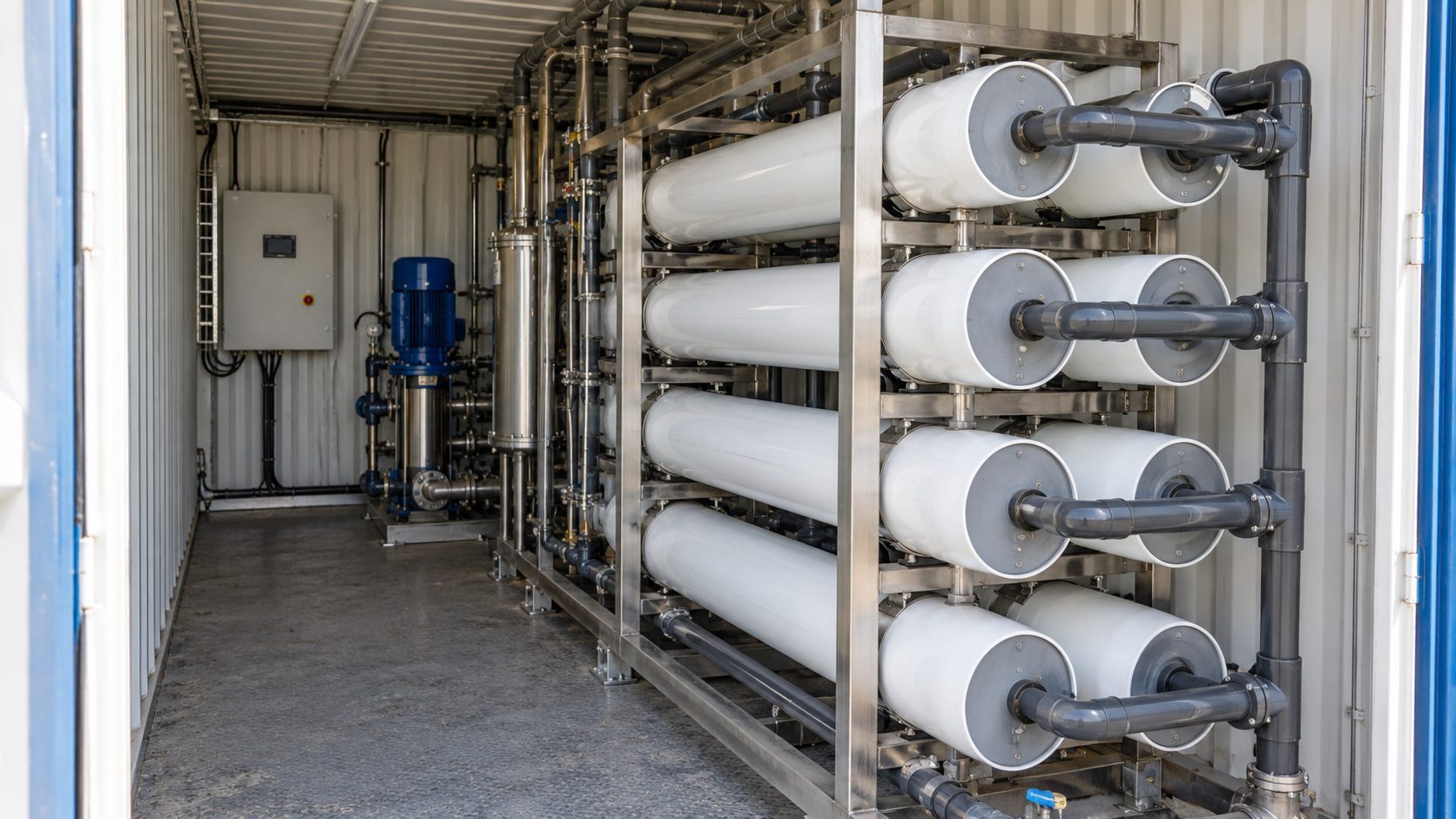
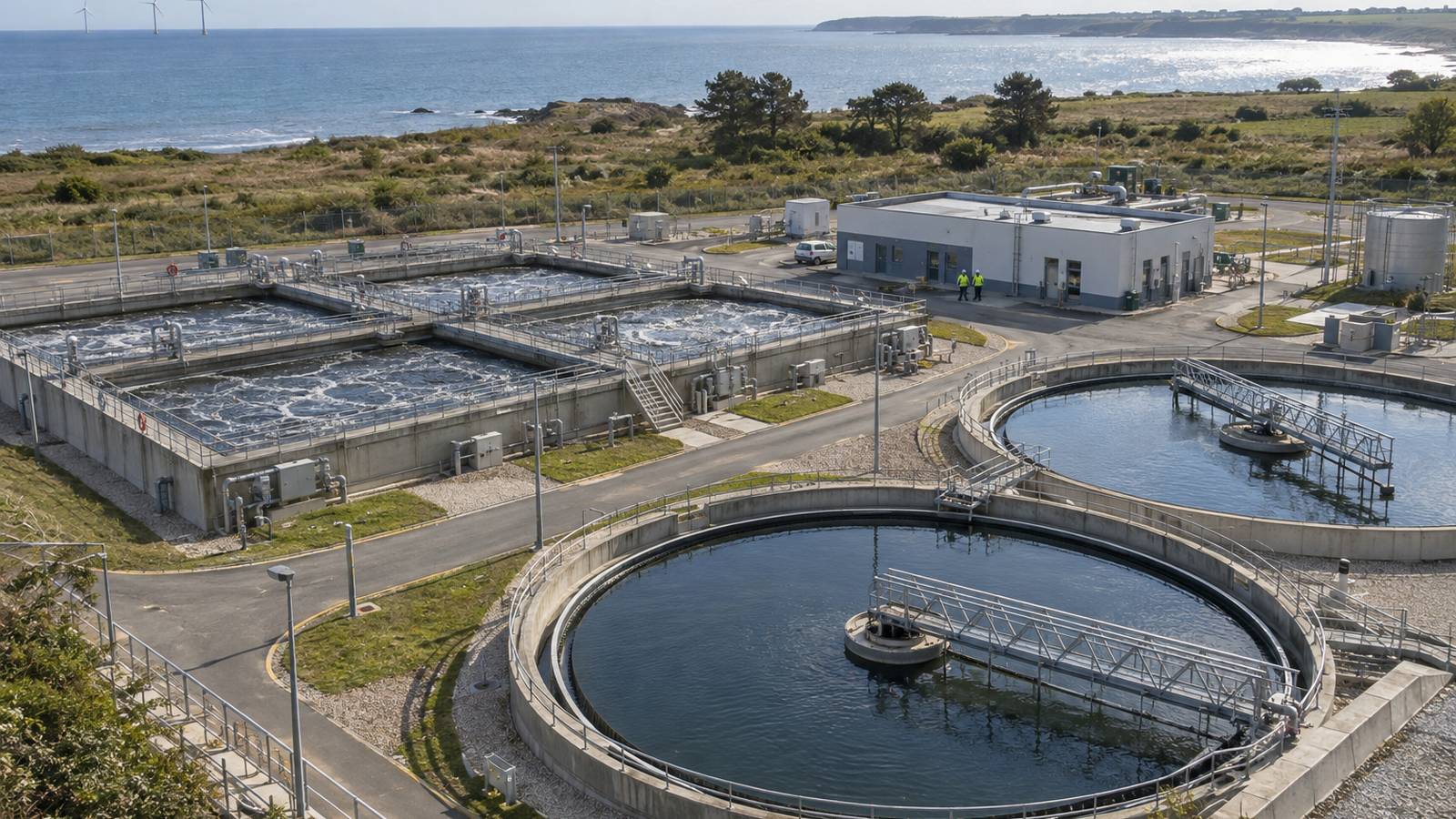
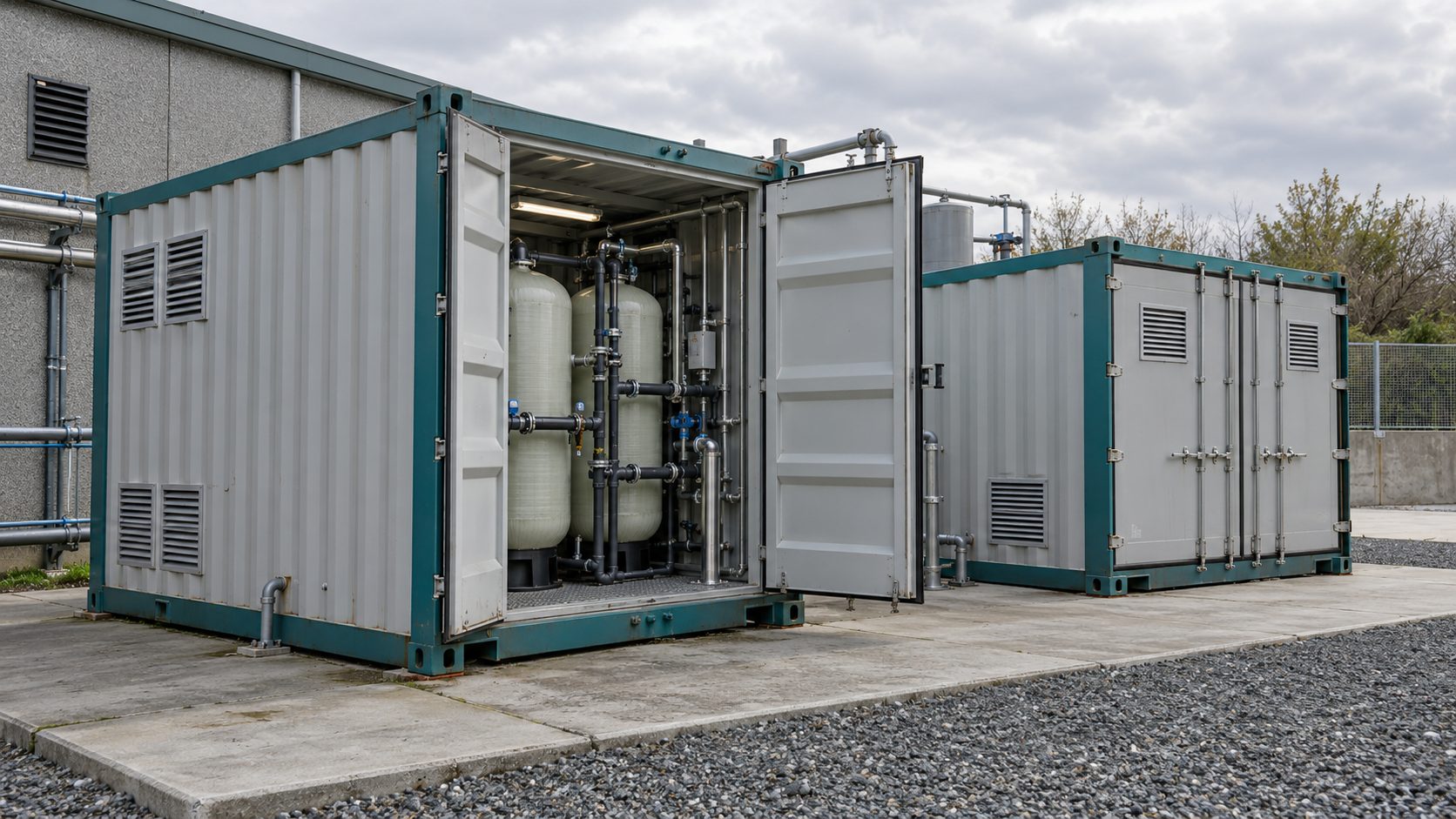
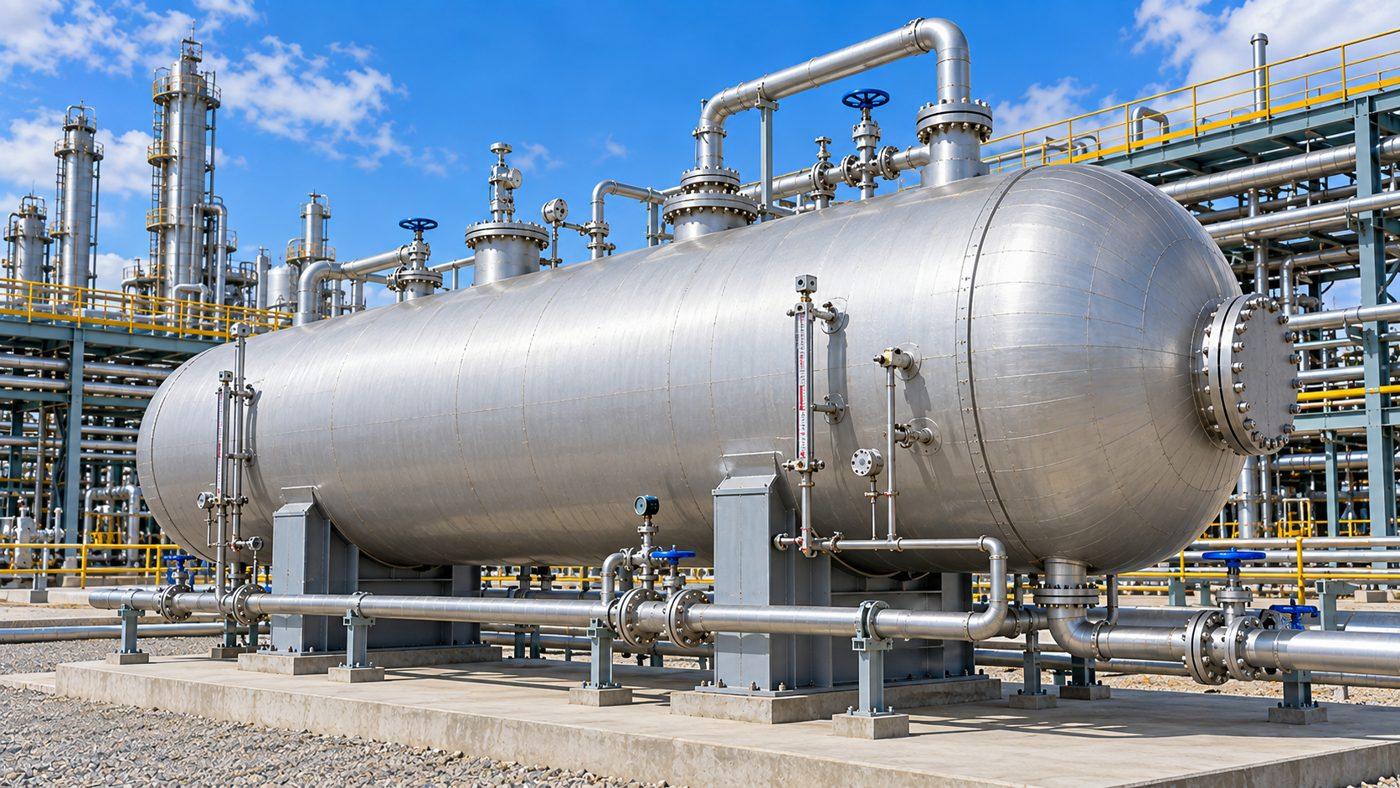
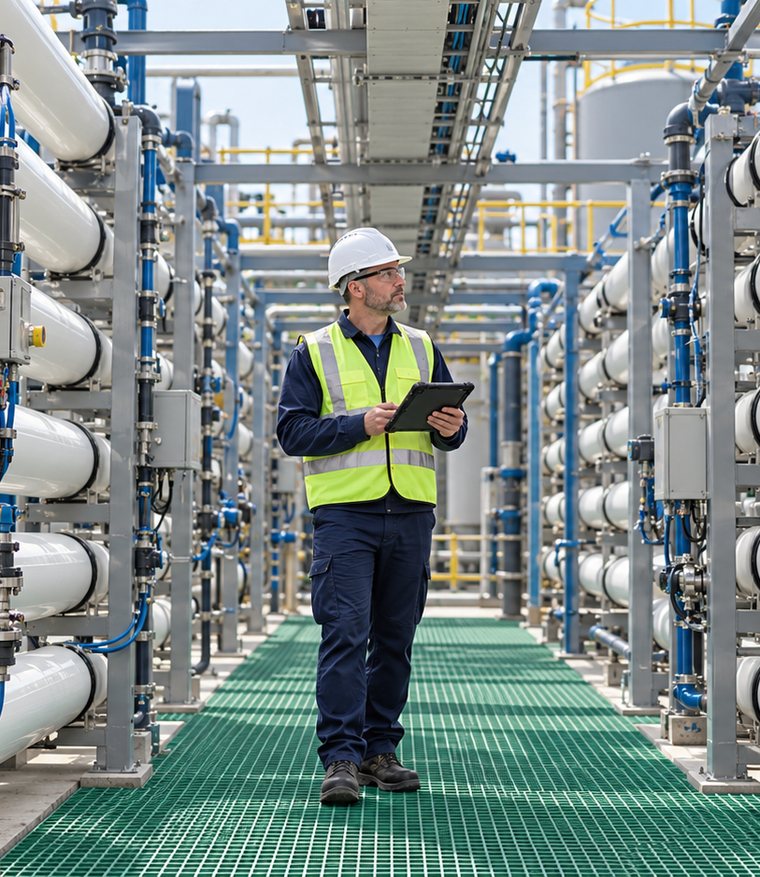
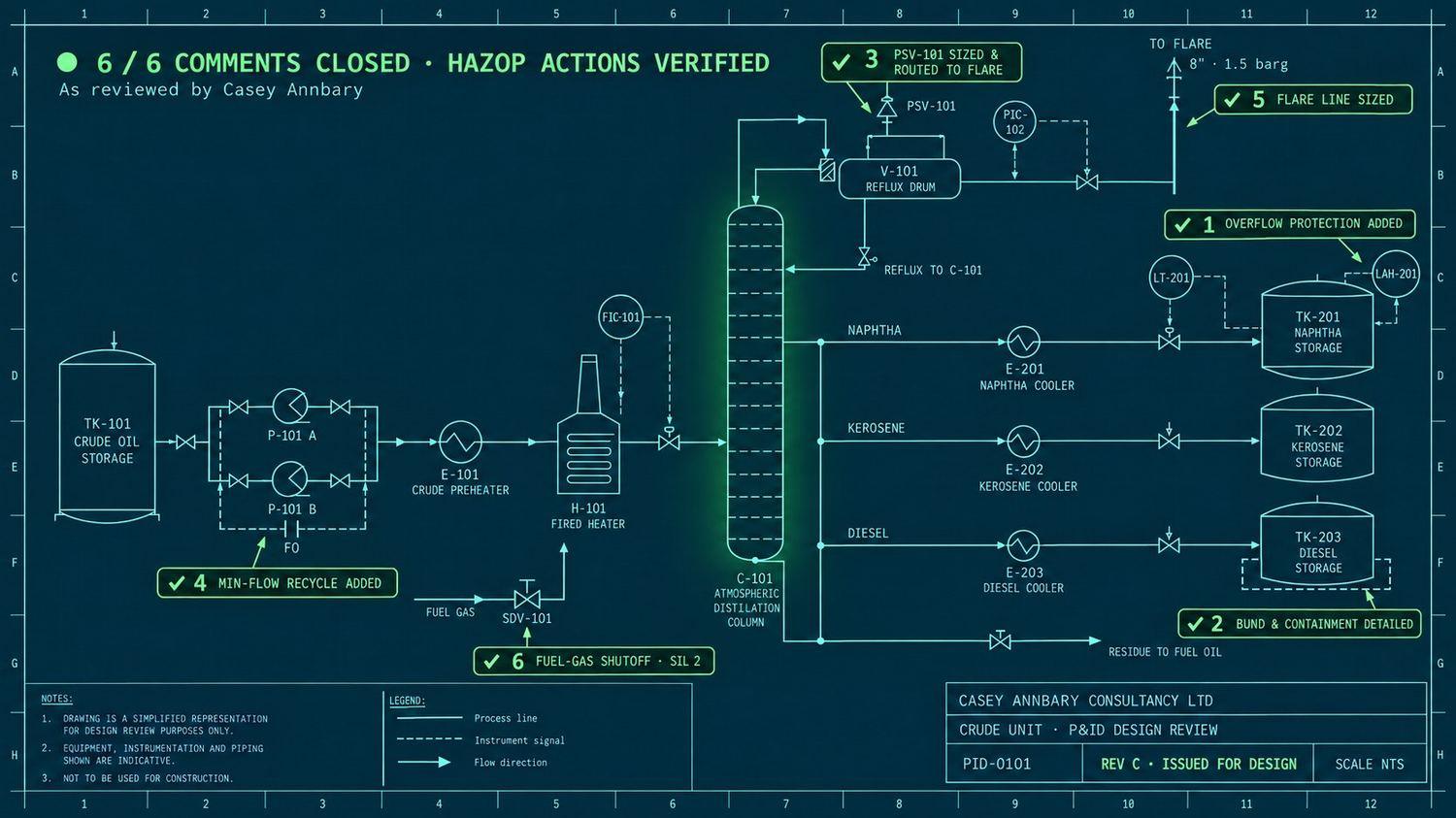
We engineer energy and process facilities end to end: upstream and gas processing, refining and petrochemicals, hydrogen, storage and terminals, with the power, distribution and utilities that keep them running. New units, revamps and expansions, from FEED to start-up.
Upstream & gas processingRefining & petrochemicalsStorage & terminalsPower & utilities
The challenge
What makes these projects hard
Energy projects combine licensed process technology, demanding operating conditions, strict international standards and complex logistics, and increasingly need to be delivered faster, in modules, with less site construction. Power, utilities and gas systems are too often engineered late, as isolated packages, after the process is fixed
Licensed process technology that must be integrated exactly to licensor requirements
Hydrotreating, desulphurisation and product-specification upgrades on operating sites with tight turnaround windows
Storage, terminal, flare and gas-recovery systems facing tighter emissions limits
Power and utility systems sized late, delivered as scattered vendor packages
Equipment that must be manufactured to code and inspected before shipment
How we help
From concept to an executable project
We support clients in transforming process concepts into engineered, manufacturable and executable projects, across the whole value chain, with power, utilities and gas systems considered as part of the complete facility. Our methodology is aligned with internationally recognised standards and the requirements of major licensors, including projects incorporating Honeywell UOP process technologies
Upstream and gas processing, gas treatment, hydrogen systems and process units
Crude oil refineries, hydrotreating, desulphurisation, naphtha processing and isomerisation
Petrochemical facilities, process units and modular refinery systems
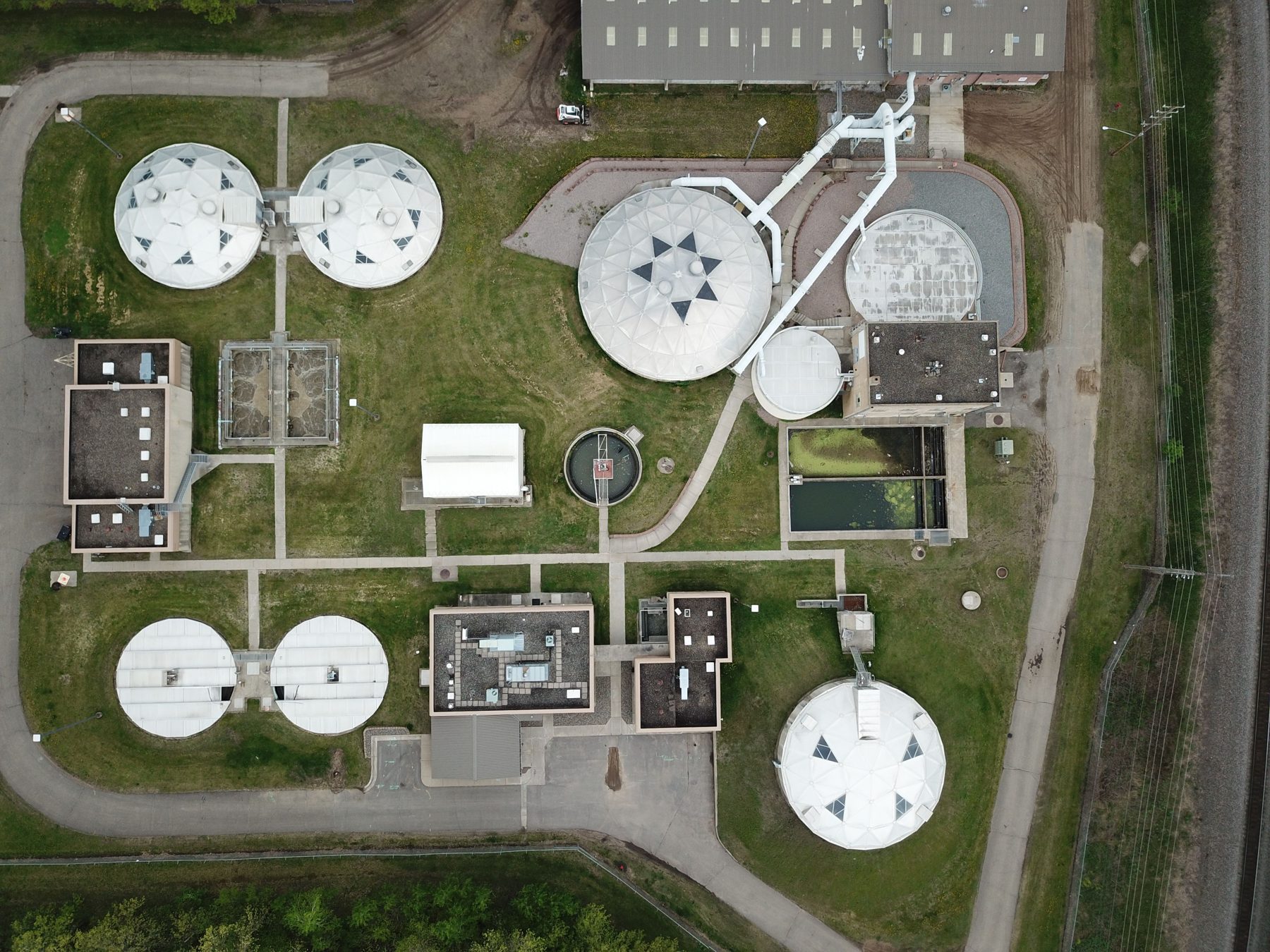
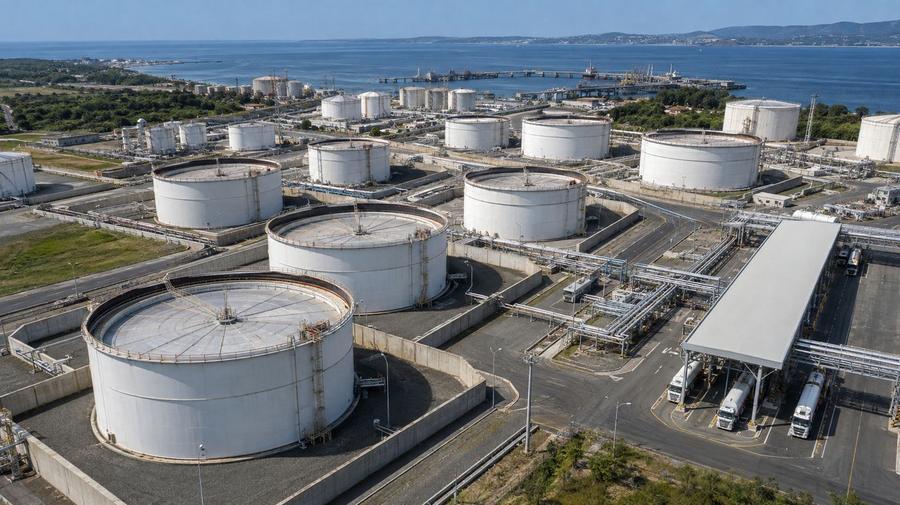
Storage, terminals and offsites, tank farms, loading, metering and firewater
Flare and gas-recovery systems and utilisation
Power generation and distribution, MV/LV systems, MCCs and substations
Industrial utilities, steam, cooling, compressed air and water, with energy-efficiency studies
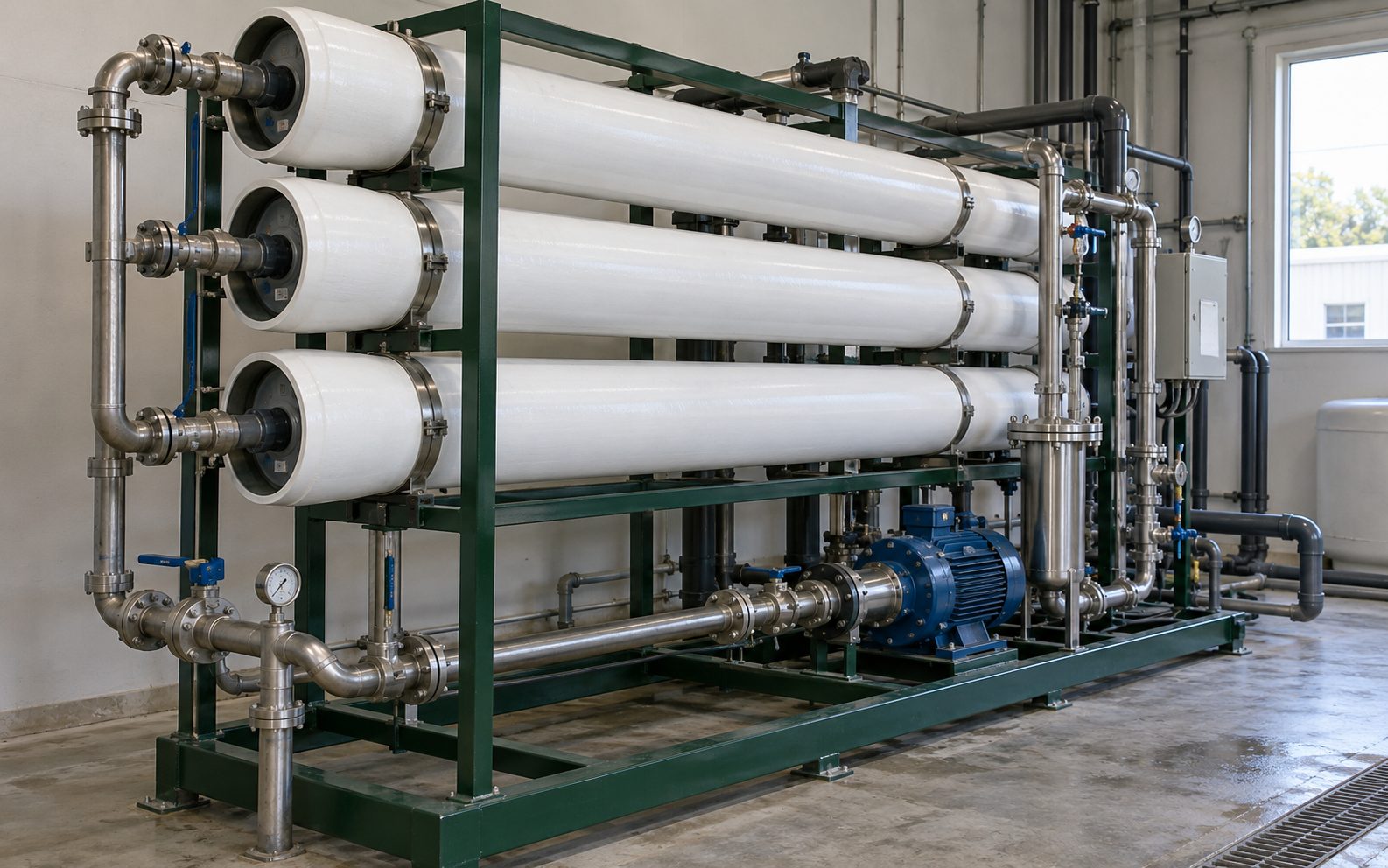
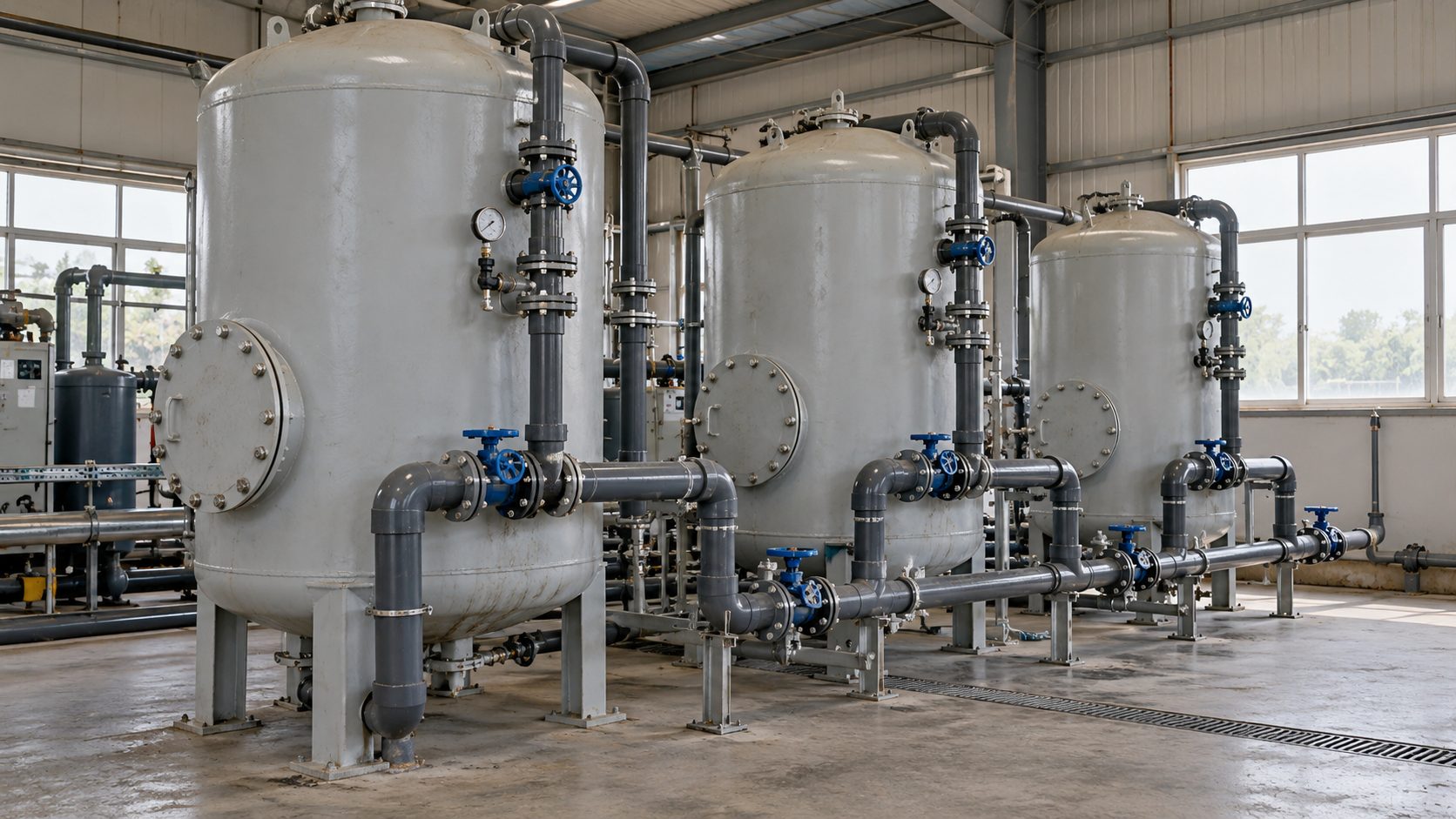
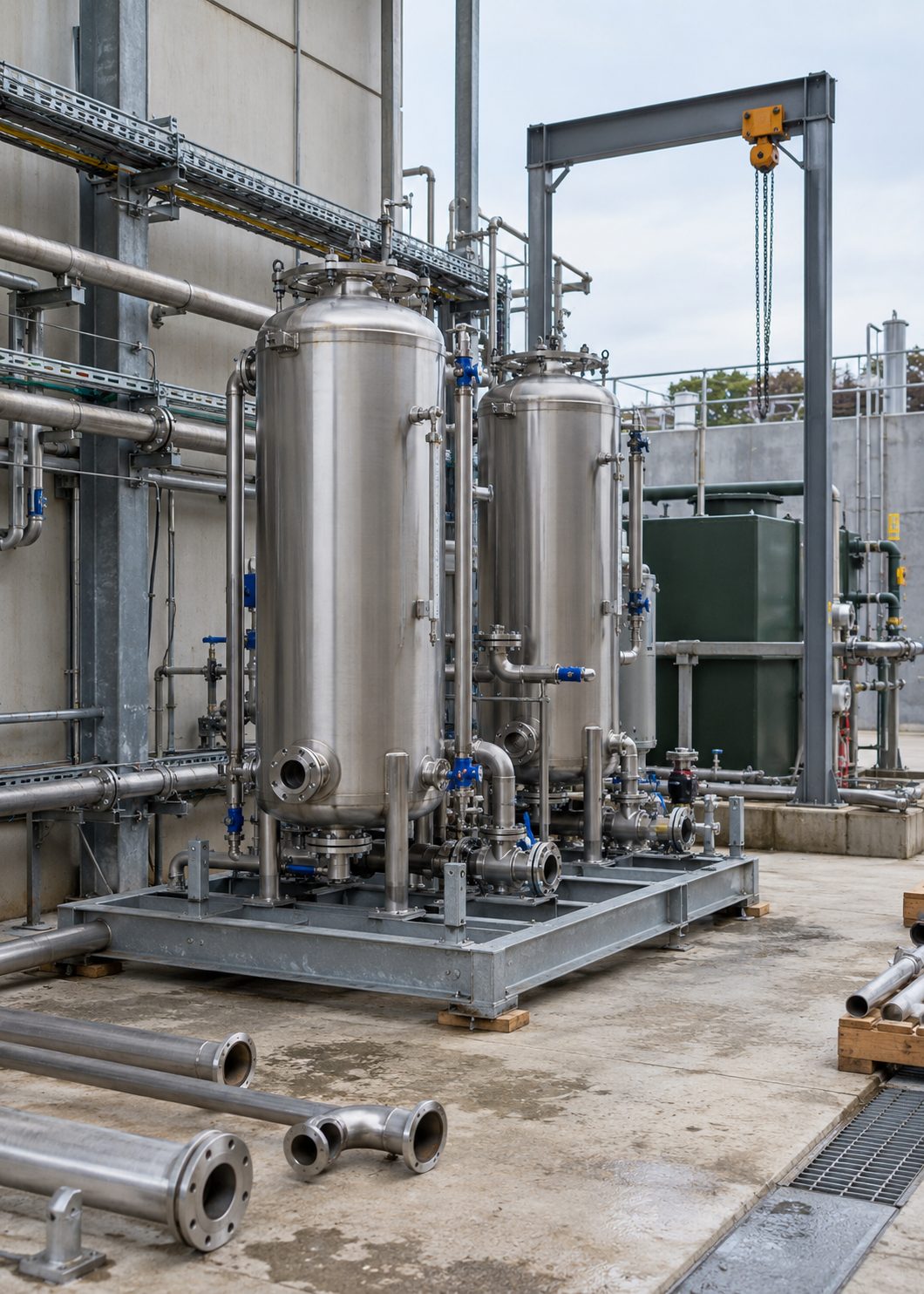
Pressure vessels, columns and exchangers designed for manufacture
Brownfield modifications, revamps and upgrades
EPC technical support, procurement and commissioning
Services
Scope of services
Six service lines, each delivered as a study, an engineering package or as part of a complete project
01
Refining & petrochemical process units
Process engineering for new units, capacity or yield upgrades and product-specification projects, integrated to licensor requirements
Hydrotreating, desulphurisation and naphtha processing
Catalytic reforming, isomerisation and hydrogen management
Heat and material balances, simulation and PFDs
Equipment sizing, datasheets and process safety inputs
Licensor design-basis integration and interface management
02
Upstream & gas processing
Treatment, conditioning and compression facilities from wellhead to export specification
Gas sweetening, dehydration and dew-point control
Separation, stabilisation and condensate handling
Compression, metering and export systems
Hydrogen production and purification
Modular and skid-mounted process trains
03
Storage, terminals & offsites
Tank farms and logistics facilities designed for safe, efficient and expandable operation
Atmospheric and pressurised storage layout and sizing
Loading, unloading, metering and custody transfer
Vapour recovery, blending and transfer pumping
Firewater, foam and fire-protection systems
Hazardous-area classification and plot plans
04
Flare, relief & gas recovery
Safe disposal of process upsets and recovery of gases that would otherwise be burned
Relief scenarios, PSV sizing and relief-load summaries
Flare header hydraulics and knock-out drums
Flare-gas recovery and utilisation
Emissions and monitoring studies
Debottlenecking of existing flare systems
05
Power, utilities & electrical
Power and utility systems engineered with the process rather than added afterwards
Load lists, load-flow and short-circuit studies
MV / LV distribution, MCCs, substations and earthing
Steam, cooling water, compressed air and nitrogen
Hazardous-area electrical and lighting design
Energy-efficiency and heat-integration studies
06
Brownfield, revamps & EPC support
Modifications on operating sites, where tie-ins, access and shutdown windows decide the schedule
Site surveys, laser scanning and as-built verification
Tie-in strategy and shutdown work packages
Constructability and modularisation studies
Procurement support and vendor evaluation
Construction supervision, commissioning and start-up
Featured concept · modular NHT + CCR
A modular naphtha hydrotreater and reformer, in 3D
A reference concept from our refining work, designed for 12,000 BPD of naphtha feed: two identical 6,000 BPD hydrotreating trains built as shop-fabricated modules, a common stripper, a catalytic reformer with three reactors in series, stabiliser and hydrogen management, and one set of shared utilities. Drag to rotate, tap a station to see its function and what CAC engineers there.
Model viewNHT + CCR · MODEL 002
Rotate · explore
LinesNaphthaH₂Fuel gasSteamCWFlare
Assembling the plant
3D view unavailable
Your browser could not start WebGL. The rest of the site works as normal
Design basis: 12,000 BPD total naphtha feed, split across two 6,000 BPD hydrotreating trains so that either train can be taken offline for catalyst change-out while the other keeps the reformer running at reduced charge. The reformer, stabiliser and shared utilities are sized on the combined 12,000 BPD of hydrotreated naphtha. Configuration follows publicly documented naphtha hydrotreating and catalytic reforming practice; it is a reference concept, not a licensor design, and uses no proprietary catalyst or process data.
A staged, gated approach that lets the client stop, adjust or proceed at each decision point
01
Define
Scope, feedstock and product basis, capacity, site constraints and licensor requirements captured in a design basis and a Class 5 cost range
02
Develop
Concept and FEED, process design, simulation, PFDs, equipment list, plot plan and a Class 3 estimate for the investment decision
03
Engineer
Detailed multidisciplinary design with a 3D model, P&IDs, isometrics, datasheets and specifications issued for procurement and fabrication
04
Deliver
Vessels, skids and modules fabricated to code with inspection, followed by installation support, commissioning and performance testing
Outputs
Typical deliverables
Feasibility and FEED packages
Process design, simulation, PFDs, P&IDs and datasheets
Multidisciplinary detailed engineering across all disciplines
Electrical and utility design packages, load studies and single-line diagrams
Fabricated vessels, skids and modules
Technical specifications and tender documents
Site, commissioning and start-up support
Disciplines
Related expertise
Process engineeringPipingElectricalPressure vessels & modular systemsLicensor integration
Every scope is staffed from the same multidisciplinary team, so process, mechanical, piping, electrical, civil and control engineers work from one model and one design basis.
Applicable codes are confirmed with the client and licensor at the start of every project
Experience
Typical engagements
Representative scopes drawn from the work we take on
Process unit
Modular naphtha hydrotreater
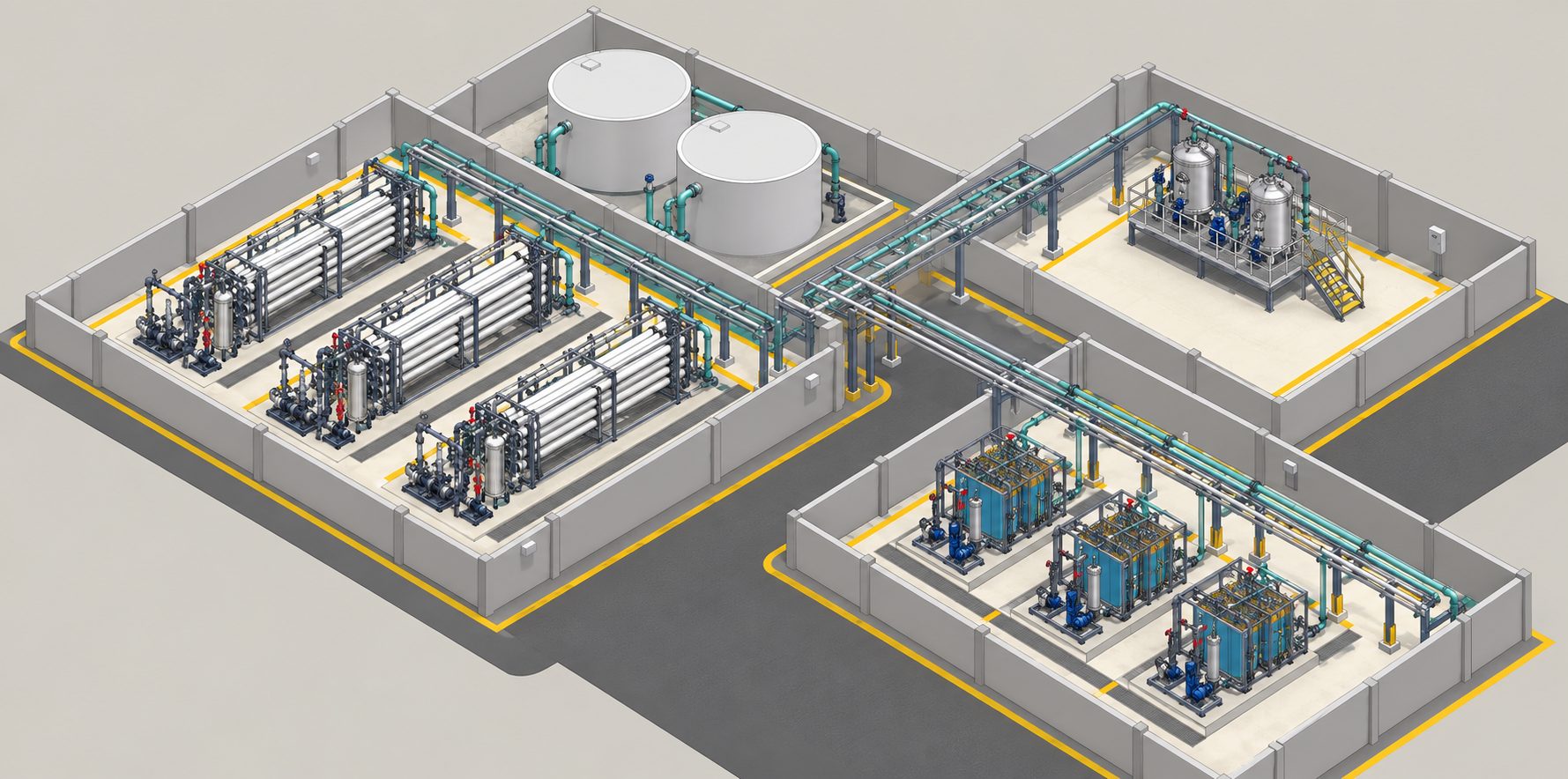
Two shop-fabricated hydrotreating trains with a common stripper and a catalytic reformer, designed as transportable modules to cut site construction time
OutputDesign basis, BFD / PFD, equipment list and modular plot concept
Brownfield
Gas-recovery and flare upgrade
Relief-load and flare-header review on an operating site with tighter emissions limits, followed by a recovery unit tied in during a planned shutdown
OutputRelief study, tie-in packages and shutdown work scopes
Storage & offsites
Terminal expansion
New storage tanks, loading bays and firewater system added to an existing terminal without interrupting operations
OutputLayout, hydraulics, hazardous-area drawings and tender package
Questions
Frequently asked
Can't find your question? Send a short brief and an engineer will reply within one business day.
Yes. We integrate licensed technology to the licensor design basis and review requirements, and we manage the interface between the licensor package and the rest of the plant design. We do not replace licensor design or guarantees, and we do not claim licensor approval for concepts that have not been reviewed by them
Do you design for modular construction?
Yes. Modularisation is considered from the concept stage, module limits, lifting and transport envelopes, structural frames and interfaces, so that equipment, piping, instrumentation and electrical can be integrated and tested in the factory before shipment
Can you support a project on an operating site?
Yes. Brownfield work starts with a survey and an as-built verification, followed by a tie-in strategy that fits the available shutdown windows, so that most work can be prepared and prefabricated while the plant runs
What do we receive at the end of a study?
A written report with the design basis, options compared on technical and cost criteria, an estimate with a stated accuracy class, a schedule and a recommended route, enough to take an investment decision or to start FEED
Do you manufacture the equipment?
Pressure vessels, skids and modules are fabricated through our manufacturing partners under CAC-managed inspection and test plans, so the design office and the workshop work to the same drawings and acceptance criteria
 Global Engineering Group